
Welcome to 'All About Planties'! 🌿 Keeping indoor plants alive and thriving can sometimes be a challenge. Whether you're growing houseplants in a sun-drenched California living room or a low-light apartment, these are the most common culprits behind plant decline. Understanding these factors and how to address them can help ensure your plants stay healthy and vibrant. Here's a comprehensive guide to why indoor plants die and how to prevent it.

Common Reasons Why Indoor Plants Die
1. Overwatering
Cause: Overwatering is one of the most common reasons for indoor plant death. It can lead to root rot, where the roots become waterlogged and start to decay, preventing the plant from absorbing water and nutrients properly.
Solution:
- Proper Drainage: Ensure your pots have drainage holes to prevent water from accumulating at the bottom.
- Watering Schedule: Water your plants only when the top inch of soil is dry. Use a moisture meter to help gauge soil moisture levels.
Pro Tip: If you tend to overwater, try a drought-tolerant plant that's more forgiving — like the ZZ Plant or Snake Plant 'Zeylanica'.

2. Underwatering
Cause: Just as overwatering can harm plants, underwatering can also be detrimental. Plants need a consistent supply of water to maintain their health. If the soil is too dry, the plant will become dehydrated.

Solution:
- Regular Watering: Establish a regular watering schedule and check soil moisture frequently.
- Proper Soil: Use a potting mix that retains moisture well but also drains excess water.
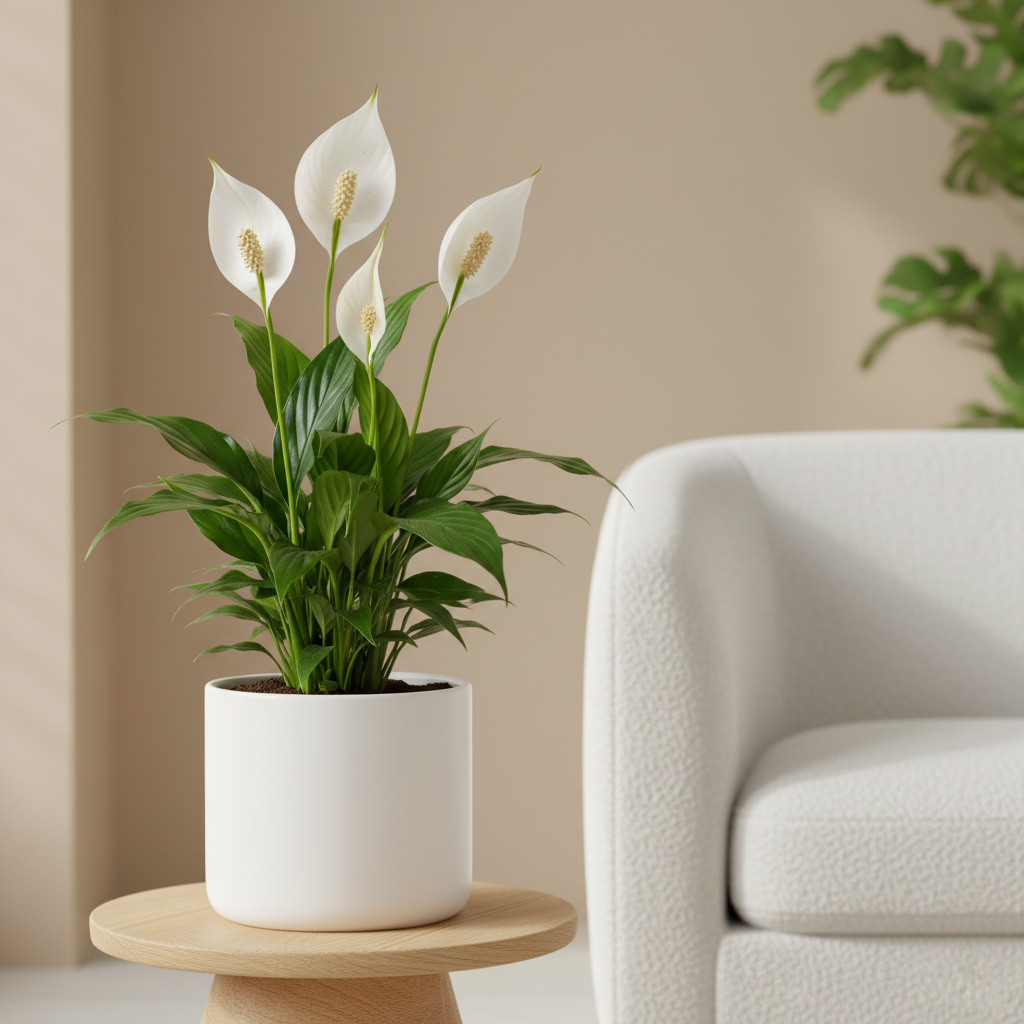
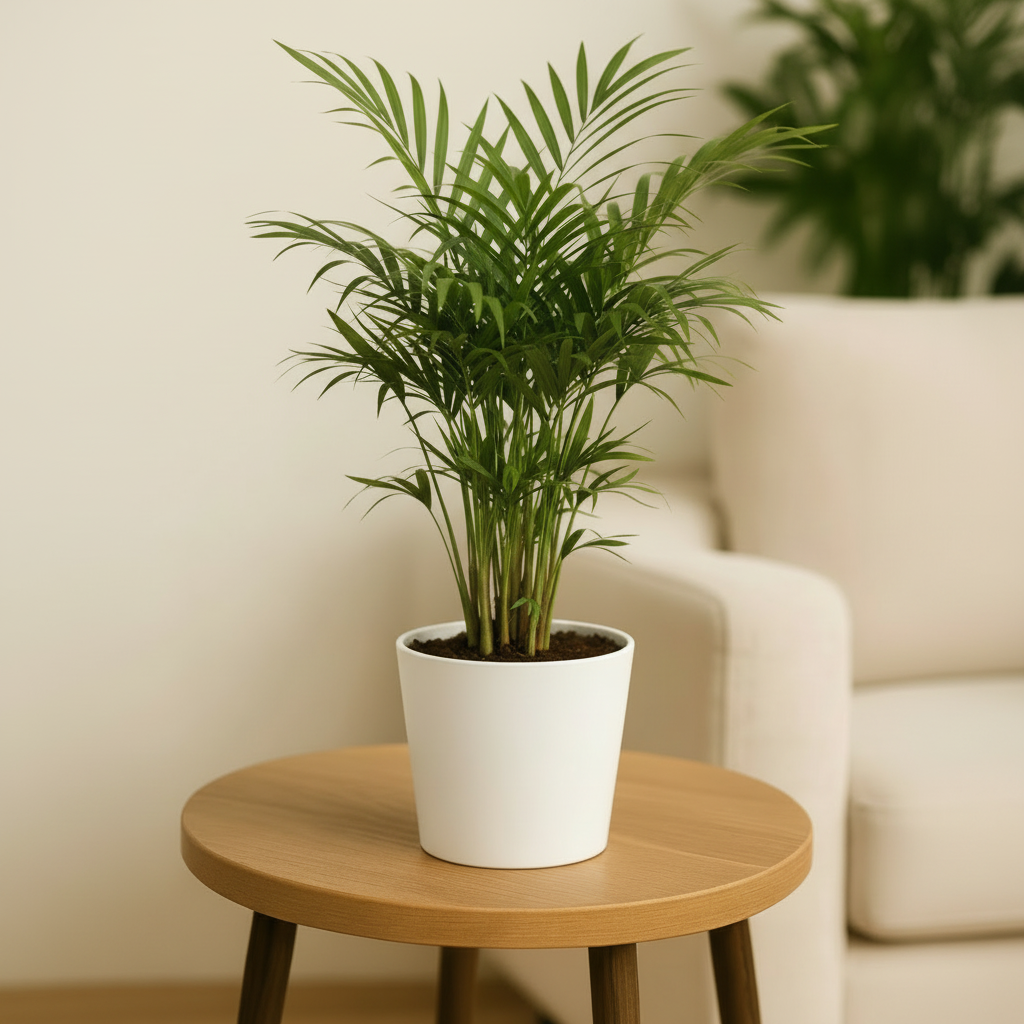
Pro Tip: Plants like the Peace Lily and Parlor Palm visually droop when thirsty — making them great natural reminders to water.
3. Insufficient Light
Cause: Light is essential for photosynthesis, the process by which plants make their food. Insufficient light can cause plants to become weak, leggy, and eventually die.

Solution:
- Identify Light Requirements: Know the light requirements of your plants and place them in appropriate locations.
- Use Grow Lights: Supplement natural light with grow lights, especially in darker rooms or during winter.
Pro Tip: Working with a low-light space? The Heartleaf Philodendron and Parlor Palm thrive in indirect light and are perfect for dimmer rooms.
4. Poor Soil Quality
Cause: Poor soil quality can lead to a lack of essential nutrients and poor drainage, both of which can cause plant health to decline.

Solution:
- Use Quality Potting Mix: Choose a high-quality potting mix suitable for your plant type.
- Repot Regularly: Repot your plants every year or two to refresh the soil and provide more space for growth.
Pro Tip: The Pothos 'Neon Queen' is incredibly adaptable to different soil conditions and one of the easiest plants to repot successfully.

5. Pests and Diseases
Cause: Pests like aphids, spider mites, and mealybugs can damage plants, while diseases caused by fungi, bacteria, or viruses can also lead to plant death.

Solution:
- Regular Inspection: Inspect your plants regularly for signs of pests and diseases.
- Natural Remedies: Use natural remedies or organic pesticides to treat infestations.
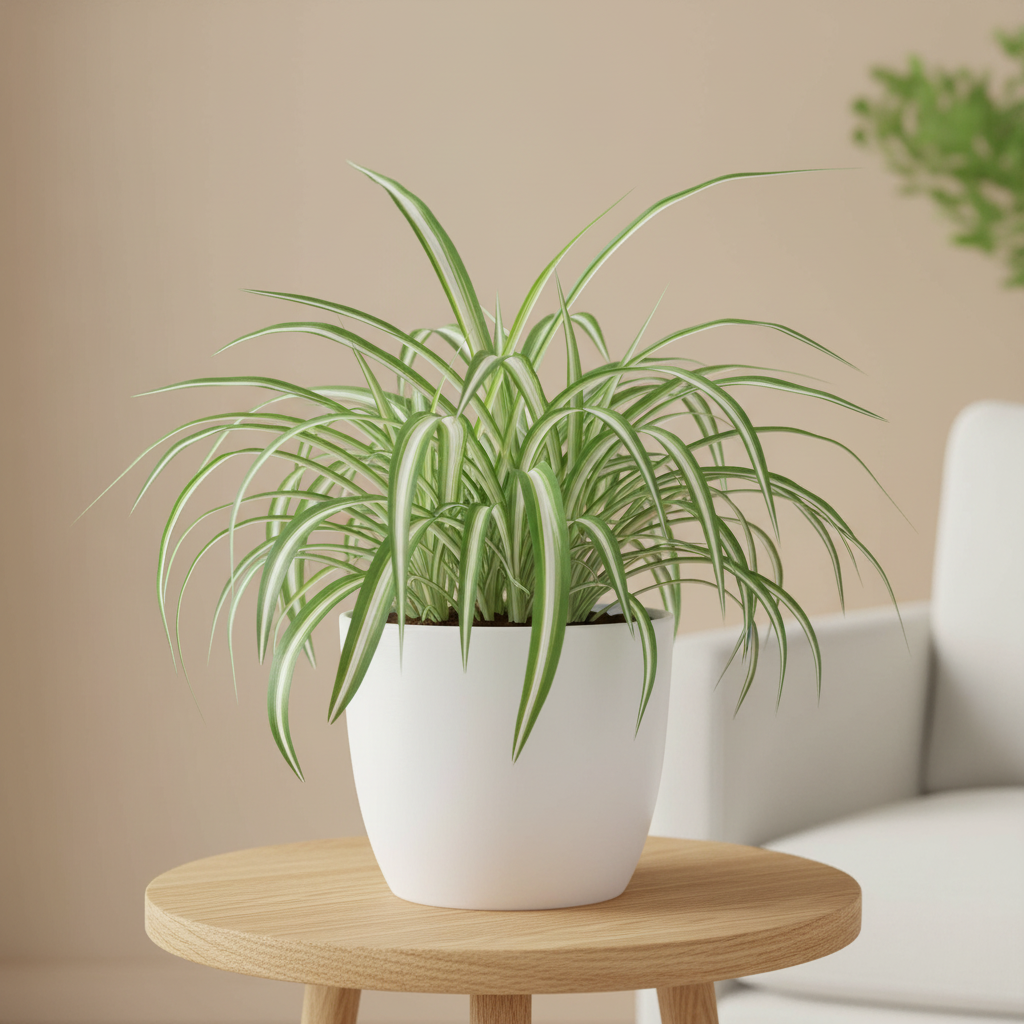
Pro Tip: The Spider Plant 'Reverse' is naturally resilient to pests. Browse our full Easy Care Plants collection for more low-maintenance, pest-resistant options.
FAQs on Indoor Plant Care
How can I tell if my plant is overwatered or underwatered?
Overwatered plants often have yellowing leaves, soggy soil, and a rotting smell. Underwatered plants usually have dry, brown leaf edges, and the soil feels dry to the touch.
How do I know if my plant is getting enough light?
Signs of insufficient light include slow growth, leggy stems, and pale or yellowing leaves. If you notice these signs, try moving your plant to a brighter location or use grow lights.
What should I do if I see pests on my plants?
Isolate the affected plant to prevent the pests from spreading. Use natural insecticidal soap or neem oil to treat the infestation, and regularly check other plants for signs of pests.
Related Products
- Parlor Palm: A graceful, low-light plant that thrives with consistent care.
- ZZ Plant: Nearly indestructible — perfect for beginners and busy plant parents.
- Spider Plant 'Reverse': Resilient, air-purifying, and incredibly easy to grow.
- Peace Lily: A beautiful plant that tells you exactly when it needs water.
Final Thoughts
Understanding the common reasons why indoor plants die can help you take proactive steps to keep them healthy and thriving. By adjusting your watering habits, providing adequate light, using quality soil, and regularly inspecting for pests, you can enjoy a beautiful and lush indoor garden. For more plant care tips and a wide selection of plants, visit our shop and join our community at 'All About Planties'.
Happy planting! 🌱