
Why Prune in Spring?
Spring is the single best time to prune your houseplants — and the reason is rooted in biology. As days get longer and temperatures rise, your plants shift out of their winter dormancy and enter their most active growth phase. Pruning at this exact moment works with the plant's natural momentum, not against it.
When you remove old, leggy, or damaged growth in spring, the plant redirects all of its energy toward producing new shoots. The result? Faster, fuller, more vigorous growth — often doubling the plant's density within a single growing season.
Bottom line: Spring pruning doesn't just tidy up your plant. It supercharges it.
The General Rule for Pruning Houseplants
Not sure how much to cut? Follow this simple framework:
- Remove no more than 20–30% of the plant at one time. Taking too much at once stresses the plant and can slow recovery.
- Always cut just above a node (the point where a leaf or branch meets the stem). This is where new growth will emerge.
- Use clean, sharp tools. Dull scissors crush stems; dirty blades spread disease. Wipe blades with rubbing alcohol between plants.
- Prioritize dead, yellowing, or crossing branches first. Then shape for fullness.
- For trailing plants (pothos, philodendron), trim long vines back to encourage bushier growth from the base.
- For upright plants (fiddle leaf fig, monstera), remove lower leaves and any stems growing inward to improve airflow and light penetration.
💡 Pro tip: Save healthy cuttings to propagate new plants — spring cuttings root faster than any other time of year.

Pruning Mistakes to Avoid This Spring
Even well-intentioned pruning can backfire. Here are the most common mistakes — and how to avoid them:
❌ Pruning too late in the season
Pruning in late summer or fall removes the growth your plant needs to store energy for winter. Stick to early-to-mid spring for the best results.
❌ Using dull or dirty tools
Crushed stems are entry points for rot and disease. Always use sharp, sterilized scissors or pruning shears.
❌ Cutting too close to the main stem
Flush cuts can damage the main stem and leave no node for regrowth. Leave a small stub above the node when in doubt.
❌ Over-pruning a stressed plant
If your plant is already struggling — yellowing leaves, root rot, pest damage — pruning aggressively will push it over the edge. Stabilize the plant first, then prune lightly.
❌ Ignoring the plant's light needs after pruning
Freshly pruned plants need bright, indirect light to fuel new growth. Don't prune and then move the plant to a dark corner.
❌ Pruning flowering plants at the wrong time
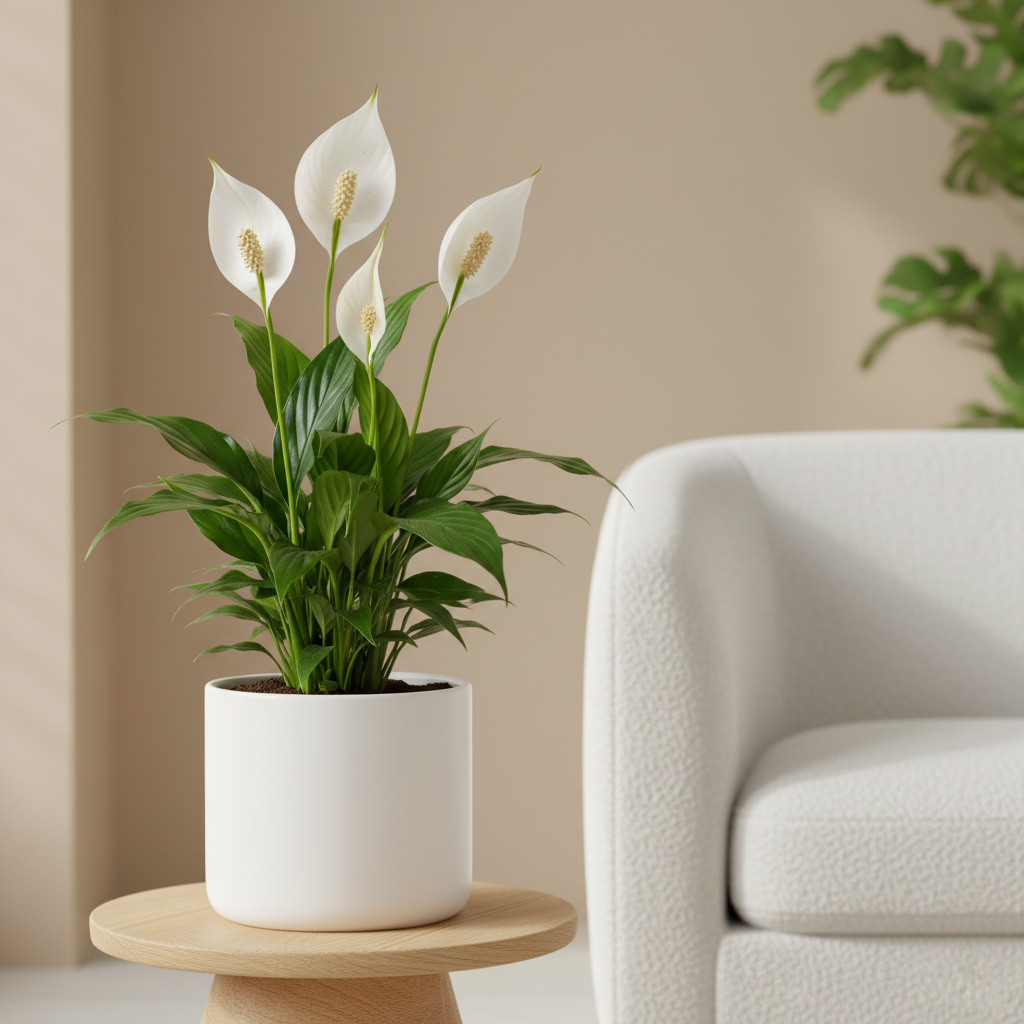
Some houseplants (like peace lilies or anthuriums) bloom on old growth. Pruning before they flower removes the buds. Wait until after blooming to prune these varieties.
Frequently Asked Questions
Does pruning really make plants grow bigger?
Yes — when done correctly in spring. Removing old or leggy growth signals the plant to produce new shoots, resulting in a fuller, denser plant over the growing season.
How often should I prune my houseplants?
Most houseplants benefit from one main pruning session in early spring, plus light maintenance trims (removing dead leaves, spent flowers) throughout the year.
What tools do I need to prune houseplants?
A pair of sharp pruning shears or scissors and rubbing alcohol for sterilization are all you need for most houseplants. For thick-stemmed plants like fiddle leaf figs, use bypass pruners.
Can I prune a plant that's not growing?
If your plant is dormant or stressed, hold off on heavy pruning. A light cleanup of dead material is fine, but wait until you see active new growth before pruning for shape or size.
Ready to give your plants their spring reset? Browse our collection of indoor plants for beginners and find the perfect addition to your space — already primed for the growing season.