
How to Fertilize Without Overdoing It
Bringing plants into your home is exciting. Watching them grow, unfurl new leaves, and transform your space is one of the most rewarding parts of being a plant parent. But at some point, every beginner asks the same question:
"Do I need to fertilize my plants… and how do I do it without harming them?"
If that sounds like you, you are not alone.
Fertilizing is one of the most misunderstood parts of plant care. Many beginners either avoid it completely or go too far too quickly. The truth is that feeding your plants does not need to be complicated. Once you understand a few key principles, it becomes simple, safe, and even enjoyable.
This guide will walk you through everything you need to know to confidently nourish your plants without overdoing it.
Why Houseplants Need Fertilizer
In nature, plants grow in living soil that is constantly replenished with nutrients from decomposing organic matter. Indoors, it is a different story.
Your houseplants live in pots with a limited amount of soil. Over time, that soil loses nutrients as the plant absorbs them and as water flushes them away. That means your plant eventually runs out of "food."
Fertilizer helps replace those essential nutrients so your plant can continue to grow, stay vibrant, and resist stress. The three main nutrients you will see on fertilizer labels are:
- Nitrogen (N) — supports leafy growth
- Phosphorus (P) — promotes roots and flowering
- Potassium (K) — improves overall health and resilience
Think of fertilizer as a supplement. Not something your plant needs constantly, but something that helps it thrive when used correctly.
The Biggest Mistake Beginners Make
Let's be direct here, because this is where most people go wrong.
Overfertilizing is far more dangerous than underfertilizing.
Too much fertilizer can lead to burned roots, yellowing leaves, salt buildup in the soil, and stunted growth. In extreme cases, it can even kill the plant.
If you take one thing from this guide, let it be this: less is more when it comes to feeding houseplants.
Plants grow slowly indoors. They do not need heavy feeding like outdoor gardens.
When Should You Fertilize Your Plants
Timing matters more than people realize. Most houseplants follow a natural growth cycle — active growth in spring and summer, and slower growth or dormancy in fall and winter.
Best time to fertilize: Feed your plants during the growing season, typically from early spring through late summer.
When to pause: Reduce or stop fertilizing during fall and winter when growth slows down. Feeding during this time can do more harm than good because the plant is not actively using those nutrients.
How Often Should You Fertilize
This is where beginners often overdo it. A safe and effective rule: fertilize once a month during the growing season. If you want to be extra cautious, stretching it to every four to six weeks works just as well.
Another smart approach is to dilute your fertilizer to half strength and feed a little more frequently. This reduces the risk of burning your plant while still delivering consistent nutrition.
Choosing the Right Fertilizer
Walking into a garden center can feel overwhelming. There are liquid fertilizers, granules, spikes, organic blends, synthetic formulas, and labels full of numbers. The good news is that beginners do not need anything overly specialized to get started.
For most common houseplants, the safest choice is a balanced fertilizer, meaning the three main nutrients are present in equal or near-equal proportions. On the label, this appears as the NPK ratio:
Nitrogen (N) supports leafy growth
Phosphorus (P) supports roots and flowering
Potassium (K) supports overall plant strength and resilience
A balanced formula such as 10-10-10 or 20-20-20 works well for many indoor plants because it provides general support without overemphasizing one nutrient. For beginners, this is usually a better starting point than highly specialized formulas unless you are caring for a plant with very specific needs.
If you are new to fertilizing, a liquid fertilizer is often the best place to start. It is easier to measure, easier to dilute, and easier to adjust based on how your plant responds. Because it is mixed with water, it also spreads more evenly through the soil.
Liquid formulas are especially beginner-friendly because they give you more control. If you want to feed gently, you can simply dilute to half strength and use it on your regular schedule.
Organic vs synthetic fertilizers
Organic fertilizers are made from natural sources and usually release nutrients more gradually. Many plant parents like them because they are gentler and support soil health over time.
Synthetic fertilizers are more concentrated and fast-acting. They can work very well, but they need to be diluted carefully. Used correctly, they are effective and reliable. Used too heavily, they can burn roots more quickly.
Neither option is automatically better. What matters most is choosing a product you understand and can use consistently without overdoing it.
A simple beginner rule
When in doubt, choose a balanced liquid fertilizer, dilute it to half strength, and use it only during the growing season. That approach is simple, effective, and much less risky than using strong or highly specialized products too early.
What to avoid
Beginners often assume that a stronger fertilizer will lead to faster growth, but that is one of the most common mistakes in plant care. More concentrated does not mean better. In most cases, it just increases the risk of fertilizer burn, salt buildup, and root stress.
If you are unsure between two products, choose the gentler one.
How to Fertilize Step by Step
Here is a simple, safe method you can follow every time.
Step 1: Water first. Never fertilize dry soil. Always water your plant lightly before feeding to protect the roots.
Step 2: Dilute your fertilizer. Use half the recommended strength, especially if you are just starting out.
Step 3: Apply evenly. Pour the solution evenly over the soil — not directly onto the leaves.
Step 4: Let it drain. Make sure excess water drains out of the pot. This prevents salt buildup. Starting with a quality mix helps ensure good drainage from the start.
Step 5: Repeat gently. Stick to your schedule and resist the urge to "boost" growth with extra feeding.
Signs Your Plant Needs Nutrients
Plants are good at communicating if you know what to look for. Common signs of nutrient deficiency include pale or yellowing leaves, slower growth than usual, smaller new leaves, and weak stems.
Before reaching for fertilizer, always check the basics first — light, watering habits, and drainage. Fertilizer is not a fix for poor lighting or overwatering.
Signs You Are Overfertilizing
Watch for brown or crispy leaf edges, a white crust forming on top of the soil, sudden leaf drop, or wilting even when the soil is moist.
If you notice any of these signs, stop fertilizing immediately and flush the soil thoroughly with clean water.
Slow Calcium Support Using Eggshells
Now let's talk about something simple, accessible, and often overlooked: eggshells.
Eggshells are primarily made of calcium carbonate, which can help support plant structure and root health over time. While they are not a complete fertilizer, they can serve as a gentle, slow-release calcium source.
Why calcium matters: Calcium plays a role in cell wall strength, root development, and preventing certain deficiencies.
How to use eggshells properly: Rinse them thoroughly to remove residue, let them dry completely, then crush them into a fine powder. The finer the powder, the easier it is for the soil to absorb. You can mix it into potting soil, sprinkle lightly on top, or add it to compost for better breakdown.
The key is preparation. As Martha Stewart explains in her guide to using eggshells for plants, finely grinding or composting eggshells significantly improves how effectively they release calcium into the soil. The University of Minnesota Extension echoes this point, noting that calcium sources like eggshells need adequate time to break down before plants can benefit from them. Gardening Know How also offers a helpful breakdown of how eggshells contribute to soil structure and slow nutrient release over time.
Used correctly, eggshells can be a simple and sustainable addition to your plant care routine — just think of them as a long-term support element, not a quick fix.

Organic vs Synthetic Fertilizers
You may be wondering which route is better.
Organic fertilizers are derived from natural sources, release nutrients slowly, improve soil health over time, and carry a lower risk of burning. Synthetic fertilizers provide nutrients quickly, are easy to measure in precise ratios, and are more concentrated.
For beginners, both can work well. If you want simplicity and fast results, go with a diluted liquid synthetic fertilizer. If you prefer a gentler, eco-conscious approach, organic is a great choice.
Feeding Different Types of Houseplants
Not all plants have the same needs.
Easy-care plants like those in our ZZ Plant

Tropical foliage plants like Monstera and Philodendron benefit from more regular feeding — once a month during the growing season keeps them lush and thriving.

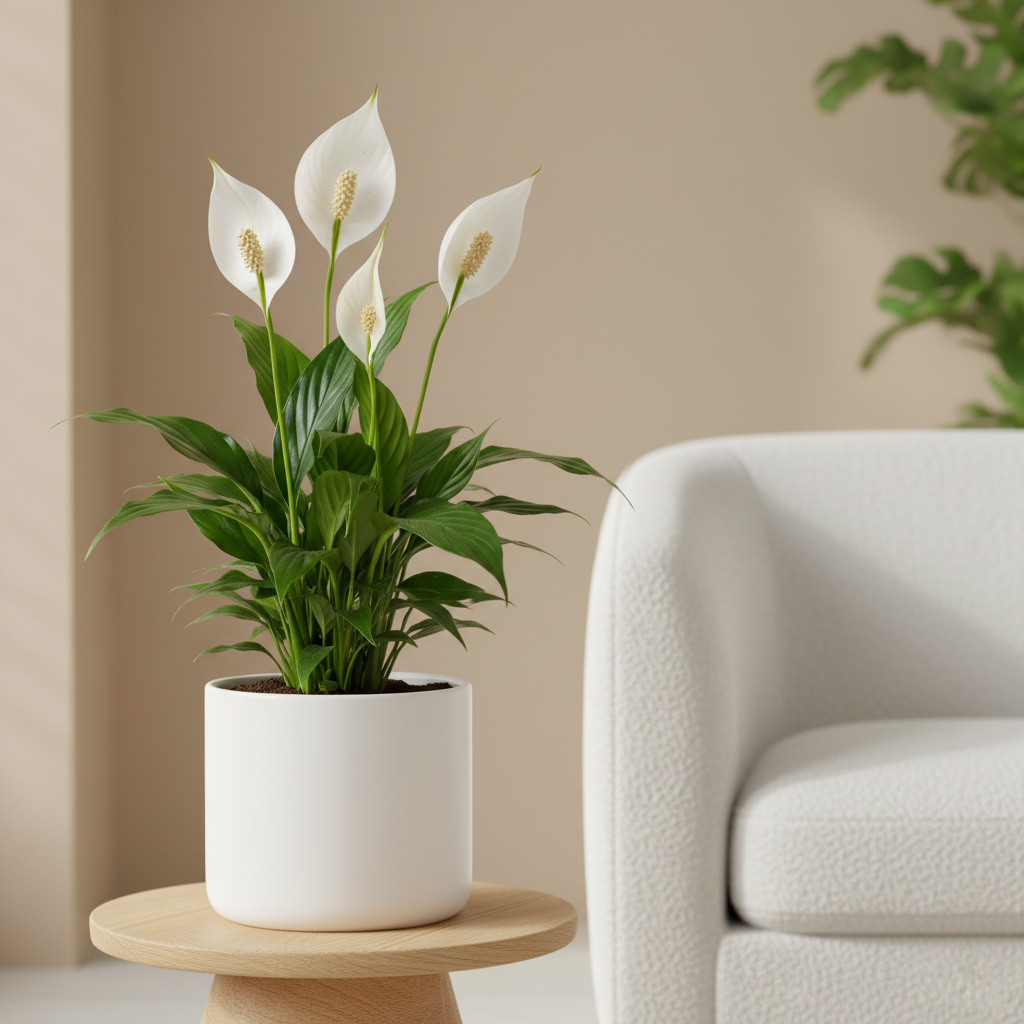
Flowering plants like Peace Lily need a bit more support during blooming, and a balanced fertilizer works best. Browse our Flowering Collection

Succulents and cacti need very minimal feeding — once every two to three months during the growing season is sufficient.
Understanding your plant type is the single best way to avoid overdoing it.
Creating a Simple Feeding Routine
You do not need a complicated schedule. Here is a beginner-friendly system:
- Pick one day per month
- Use a diluted liquid fertilizer
- Feed during spring and summer
- Pause during colder months
That is it. Consistency matters more than intensity.
Common Myths About Fertilizing
"More fertilizer means faster growth." No — it usually leads to damage.
"All plants need frequent feeding." Not true. Many houseplants thrive with minimal fertilizer, especially low-light varieties.
"Natural options are always enough." Not always. While things like eggshells help, most plants still benefit from a balanced fertilizer to cover all their nutritional needs.
Final Thoughts: Keep It Simple and Observant
If you feel overwhelmed, take a step back. Plant care is not about perfection — it is about observation and small adjustments.
Start simple: use a gentle fertilizer, feed sparingly, and watch how your plant responds. Over time, you will build confidence and intuition.
And remember, your plant does not need constant feeding to thrive. It needs balance.
For more tips like these, explore our Indoor Plant Care Tips and Tricks blog, where we cover everything from watering basics to troubleshooting common issues.
A Gentle Reminder from All About Planties
At All About Planties, we believe plant care should feel approachable and rewarding. Feeding your plants is just one part of the journey. With the right guidance, even beginners can grow thriving, beautiful indoor spaces.
If you are just getting started, our Best-Selling Plants collection is a great place to find varieties that are forgiving, resilient, and well-suited to beginner care routines.
If you ever feel unsure, you are not alone. You are learning, and your plants are growing with you 🌿