
Understanding Spring Growth on Your Houseplants
As daylight hours lengthen and temperatures warm, you may notice exciting new growth appearing on your houseplants—fresh leaves unfurling, vibrant shoots emerging, and stems reaching upward with renewed energy. This spring awakening is your plants' natural response to increased light and warmth, signaling the end of their winter dormancy period.
Spotting new growth is one of the most rewarding moments for any plant parent, but it also means your care routine needs to shift to support this active growing phase. Here's everything you need to know about spring growth and how to help your houseplants thrive this season.
Why Houseplants Grow More in Spring
Most tropical houseplants follow seasonal growth patterns even indoors. During winter, shorter days and lower light levels trigger a semi-dormant state where growth slows or stops entirely. As spring arrives, several factors combine to wake plants from this rest period:
- Increased daylight: Longer days provide more hours of photosynthesis
- Stronger light intensity: The sun's angle changes, delivering more powerful rays through windows
- Warmer temperatures: Indoor temperatures often rise slightly, accelerating metabolic processes
- Natural circadian rhythms: Plants have evolved to respond to seasonal light changes

What New Spring Growth Looks Like
New growth varies by plant species, but common signs include:
- Fresh leaves: Lighter green, smaller, and more delicate than mature foliage
- Unfurling shoots: Tightly curled leaves slowly opening over several days—especially dramatic on plants like Monstera Adansonii
- Stem elongation: New internodes extending from growing tips
- Aerial roots: On climbing plants like Monsteras and Philodendrons
- Pups or offsets: Baby plants forming at the base, common in Pilea Peperomioides and snake plants
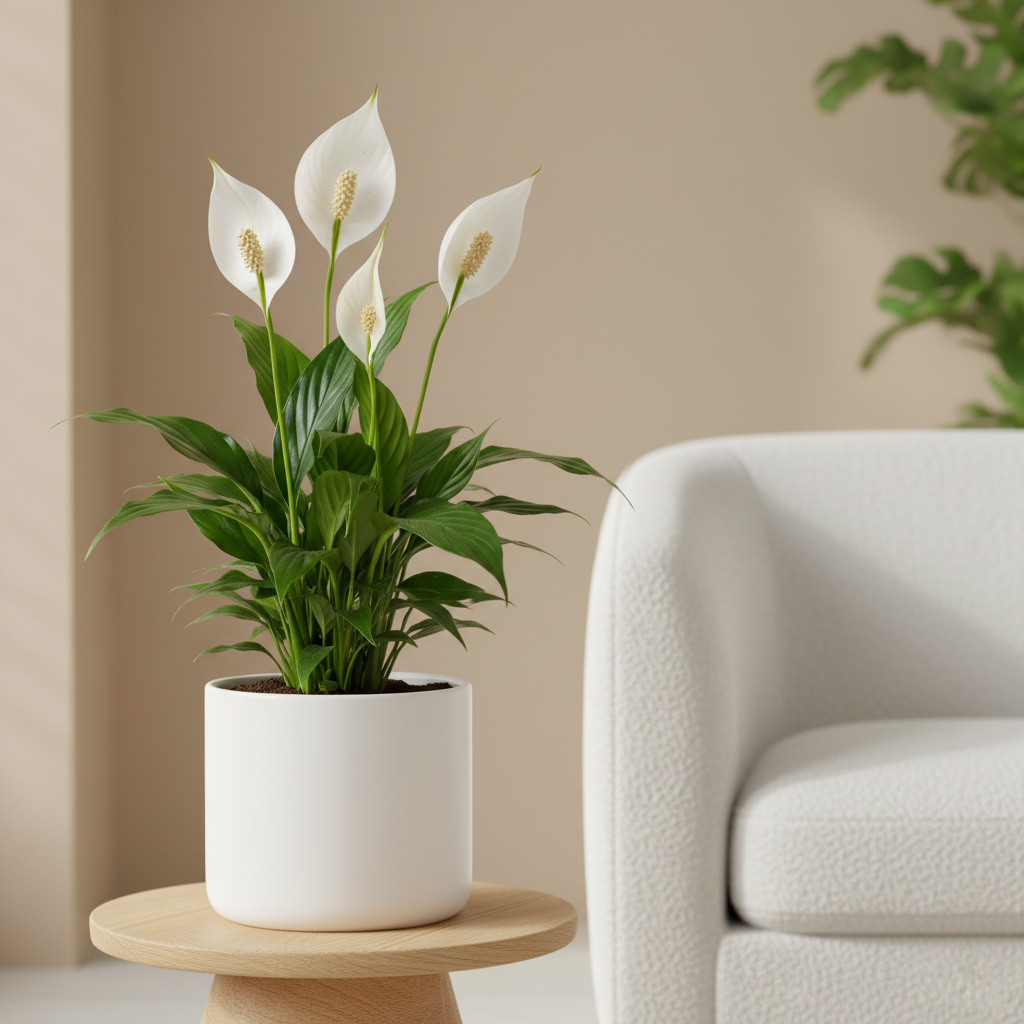
- Flower buds: Some houseplants like peace lilies, orchids, and African violets may prepare to bloom

How to Support Spring Growth: Essential Care Adjustments
1. Increase Watering Frequency
As plants actively grow, they consume more water. Check soil moisture more frequently—what took two weeks to dry in winter might now dry in one week. Always check the top 1-2 inches of soil before watering, and adjust based on your plant's specific needs. Our Year-Round Indoor Plant Care Calendar can help you track seasonal watering changes.
2. Resume Fertilizing
Spring is the perfect time to reintroduce nutrients. Use a balanced, water-soluble fertilizer diluted to half-strength every 2-4 weeks during the growing season (spring through early fall). Avoid fertilizing dormant plants or those showing stress. Learn more about natural fertilizer options for indoor plants to choose the best approach for your collection.
3. Provide Adequate Light
Growing plants need energy. If your plants stretched or looked pale during winter, consider moving them closer to windows or rotating them regularly for even growth. Just introduce brighter light gradually to prevent leaf burn. If you're working with limited natural light, explore our coffee-loving plants collection that thrive in lower light conditions.
4. Increase Humidity
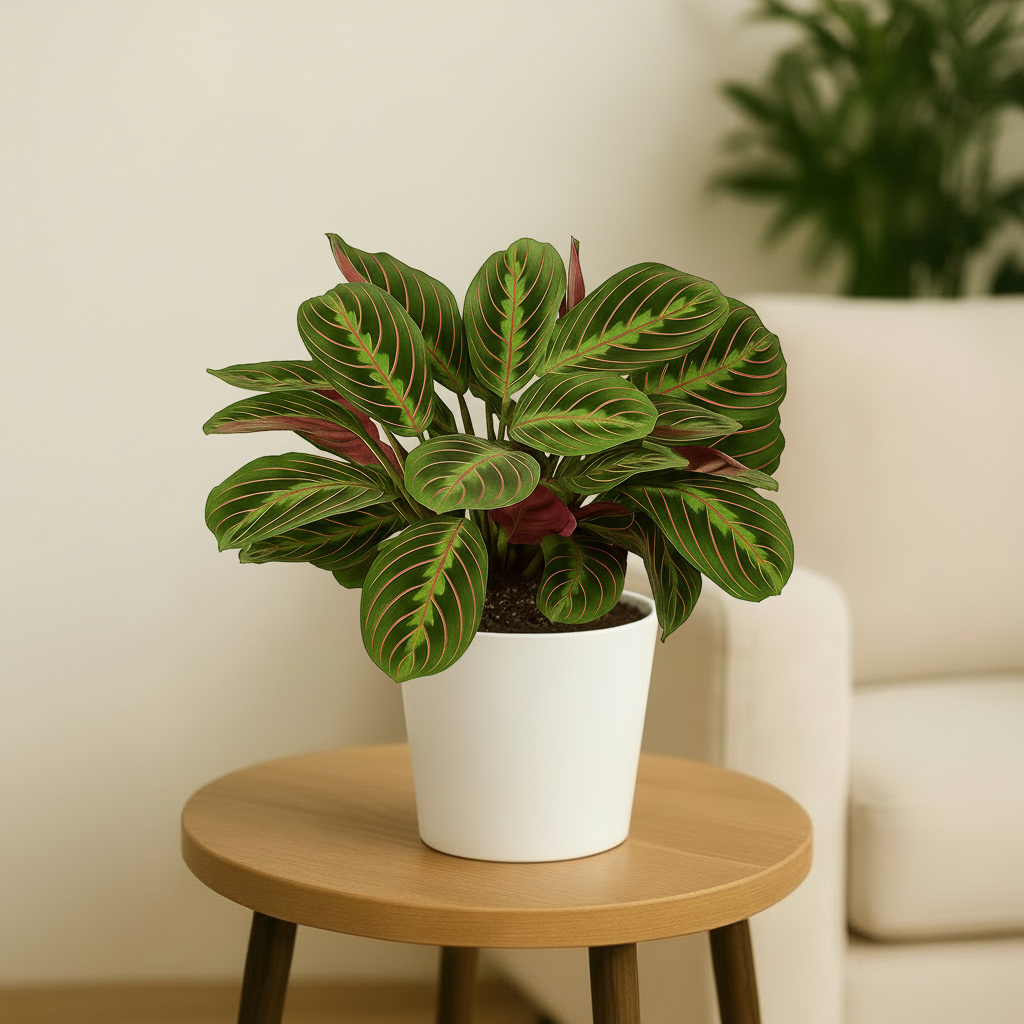
New growth is tender and benefits from higher humidity. Group plants together, use pebble trays, or run a humidifier—especially for tropical species like calatheas, ferns, and prayer plants. Check out our comprehensive guide on how to increase humidity for tropical plants for detailed strategies.
5. Prune and Shape
Spring is ideal for pruning leggy growth, removing dead leaves, and shaping your plants. Pruning encourages bushier growth and redirects energy to healthy stems. Trailing plants like Pothos Manjula respond especially well to spring pruning.
6. Repot if Needed
If roots are circling the pot or growing through drainage holes, spring is the best time to repot. Fresh soil provides nutrients and room for roots to expand during the active growing season. The Royal Horticultural Society recommends repotting most houseplants every 12-18 months.

Common Spring Growth Concerns
Pale or Yellow New Leaves
New growth that's pale yellow or lime green may indicate insufficient light or nutrients. Ensure your plant receives adequate brightness and consider starting a fertilizing schedule. According to University of Minnesota Extension, chlorosis in new growth often signals iron or nitrogen deficiency.
Leggy or Stretched Growth
Long spaces between leaves (etiolation) signal inadequate light. Move your plant to a brighter location and rotate it regularly for balanced growth.
Brown Tips on New Leaves
This often results from low humidity, inconsistent watering, or fertilizer burn. Check your care routine and adjust accordingly.
No New Growth
If your plants aren't showing spring growth, evaluate light levels, temperature, and whether they're rootbound. Some plants naturally grow slower than others. Browse our best-selling plants to see which varieties are known for vigorous spring growth.
Spring Houseplant Checklist
Set your plants up for success this season with these essential tasks:
- ✓ Inspect all plants for pests (they become more active in spring too)
- ✓ Clean leaves to maximize photosynthesis
- ✓ Assess which plants need repotting
- ✓ Refresh top soil if not repotting
- ✓ Adjust watering schedules based on increased growth
- ✓ Begin fertilizing routine
- ✓ Prune dead or damaged growth
- ✓ Propagate plants from healthy cuttings
- ✓ Rotate plants for even light exposure
- ✓ Consider moving plants outdoors once nighttime temperatures stay above 55°F
Spring: The Perfect Time for Propagation
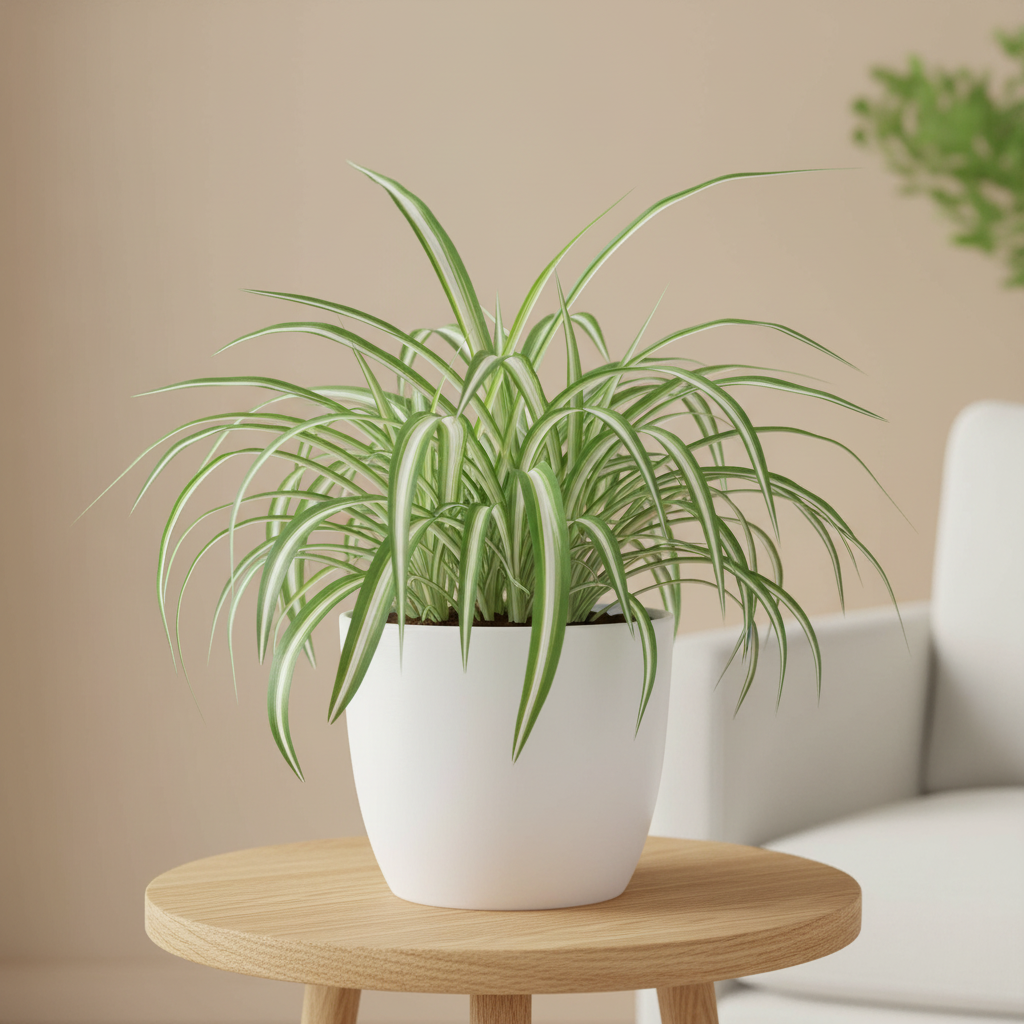
With plants in active growth mode, spring offers the highest success rates for propagation. Stem cuttings, leaf cuttings, and division all root faster when plants are vigorously growing. Popular candidates include pothos varieties, philodendrons, snake plants, spider plants, and pilea. The Missouri Botanical Garden offers excellent visual guides for propagating common houseplants.

Transitioning Plants Outdoors
Many houseplants benefit from a summer vacation outdoors. Once nighttime temperatures consistently stay above 55°F (13°C), you can gradually acclimate plants to outdoor conditions:
- Start with a shaded, protected location for 1-2 weeks
- Gradually increase light exposure
- Avoid direct afternoon sun initially to prevent leaf burn
- Monitor watering needs—outdoor plants dry faster
- Bring plants inside before fall temperatures drop
Understanding your local climate is crucial for outdoor transitions. Check our complete guide to USDA plant hardiness zones to determine the best timing for your area.
Spring Plant Shopping: Expand Your Collection
Spring is the ideal time to add new plants to your collection since they'll have the entire growing season to establish themselves in your home. Consider starting a houseplant subscription box to discover new varieties each month, or explore our new arrivals for seasonal favorites.
If you're looking for plants that will reward you with dramatic spring growth, flowering houseplants like Christmas Cactus and Calla Lily often bloom in spring with proper care.

Embrace the Growing Season
Spring growth is a beautiful reminder of nature's cycles and your plants' vitality. By adjusting your care routine to match their increased needs, you'll be rewarded with lush, healthy growth throughout the season. Pay attention to your plants' signals, stay consistent with care, and enjoy watching your indoor jungle flourish.
Whether you're a seasoned plant parent or just beginning your collection, spring is the perfect time to deepen your connection with your houseplants and set them up for a thriving year ahead.
For more seasonal plant care tips, explore our year-round indoor plant care calendar and discover expert advice for every season.