
Why Your Plants Need a Seasonal Care Schedule
Even indoors, your houseplants respond to seasonal changes in light, temperature, and humidity. Understanding these natural rhythms is the key to keeping your plants thriving year-round. This comprehensive care calendar will guide you through what your plants need each season, so you can adjust your routine and watch them flourish.
Whether you're caring for easy-going Golden Pothos or more particular tropical beauties like Philodendron Jose Buono, this seasonal approach ensures you're giving them exactly what they need, when they need it.

Spring (March - May): The Growing Season Begins
What's Happening with Your Plants
As daylight hours increase and temperatures warm, your plants wake from their winter dormancy. You'll notice new growth, faster water uptake, and increased vigor. This is your plants' most active growing period.
Spring Care Checklist
Increase Watering Frequency
As plants enter active growth, they'll need more water. Check soil moisture more frequently—what needed watering every 10 days in winter might now need it every 5-7 days. Plants like Pothos varieties will show noticeably faster growth and increased thirst.
Resume Fertilizing
This is the perfect time to start feeding your plants again. Begin with half-strength fertilizer and gradually increase to full strength by late spring. Our natural fertilizer guide covers the best organic options for spring feeding.
For most houseplants, fertilize every 2-3 weeks during spring. Use balanced organic fertilizer or try natural options like worm castings and compost tea.
Repot Root-Bound Plants
Spring is the ideal time for repotting. Plants entering active growth recover quickly from the stress of transplanting. Check if roots are circling the pot or growing through drainage holes—these are signs it's time to size up.
Use quality potting soil appropriate for your plant type. For succulents and cacti, choose specialized cactus soil with excellent drainage.
Increase Humidity
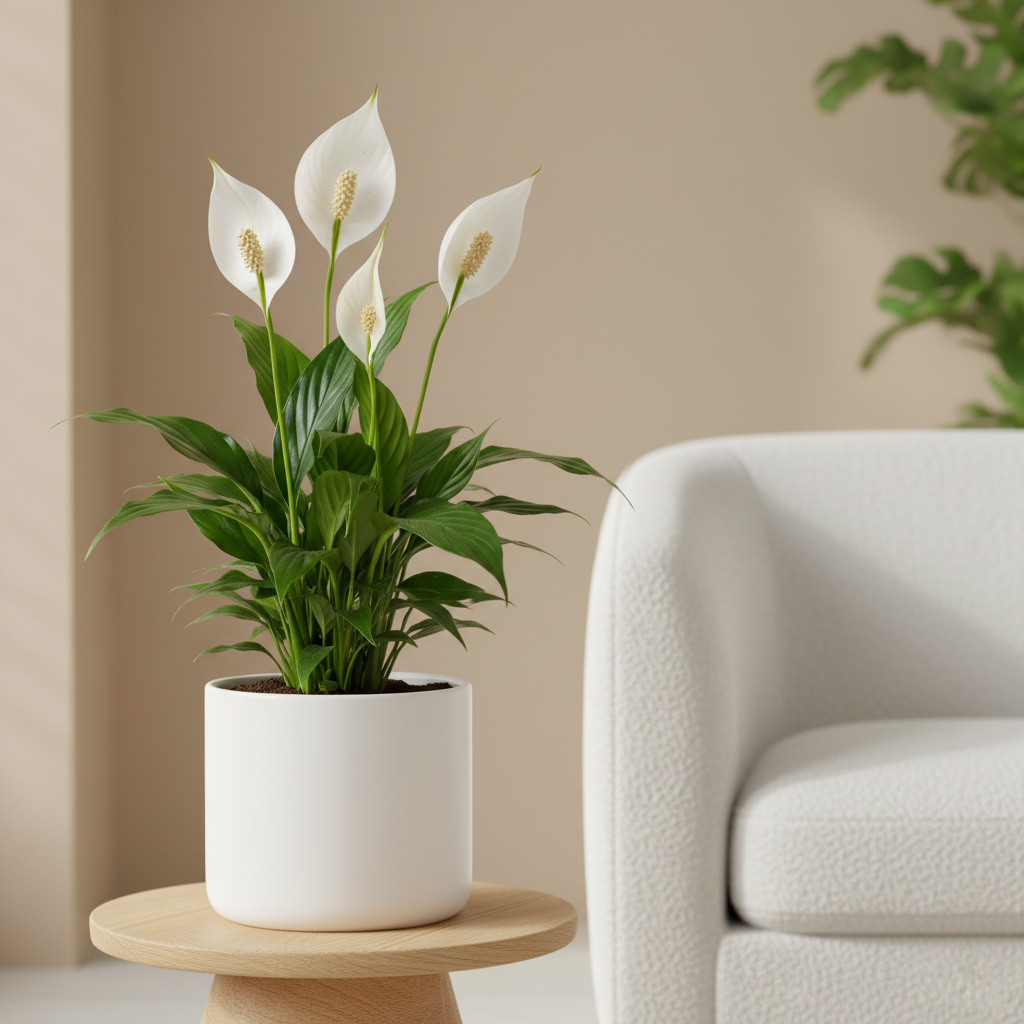
As heating systems turn off, indoor humidity often drops. Tropical plants like Spathiphyllum appreciate extra humidity. Learn more in our guide on increasing humidity for tropical plants.
Prune and Propagate
Remove any dead or damaged growth from winter. Spring is also the best time to propagate—cuttings root quickly during this active growth period. Pothos and other vining plants are especially easy to propagate now.
Gradually Increase Light
As the sun gets stronger, you can move plants closer to windows or into brighter spots. Make changes gradually to avoid sunburn. According to the University of Missouri, acclimating plants slowly prevents shock and leaf damage.
Spring Plant Recommendations
Spring is the perfect time to add new plants to your collection. They'll have the entire growing season to establish and thrive. Consider starting with our New Plant Parent Bundle or exploring new arrivals.
Summer (June - August): Peak Growing Season
What's Happening with Your Plants
Summer brings maximum daylight and warmth—your plants are in full growth mode. This is when you'll see the most dramatic growth, new leaves, and vibrant color. However, increased heat and light also mean increased water needs and potential stress.
Summer Care Checklist
Water More Frequently
Summer heat means faster soil drying. Some plants may need watering 2-3 times per week. Always check soil moisture rather than following a strict schedule—different plants and pot sizes have different needs.
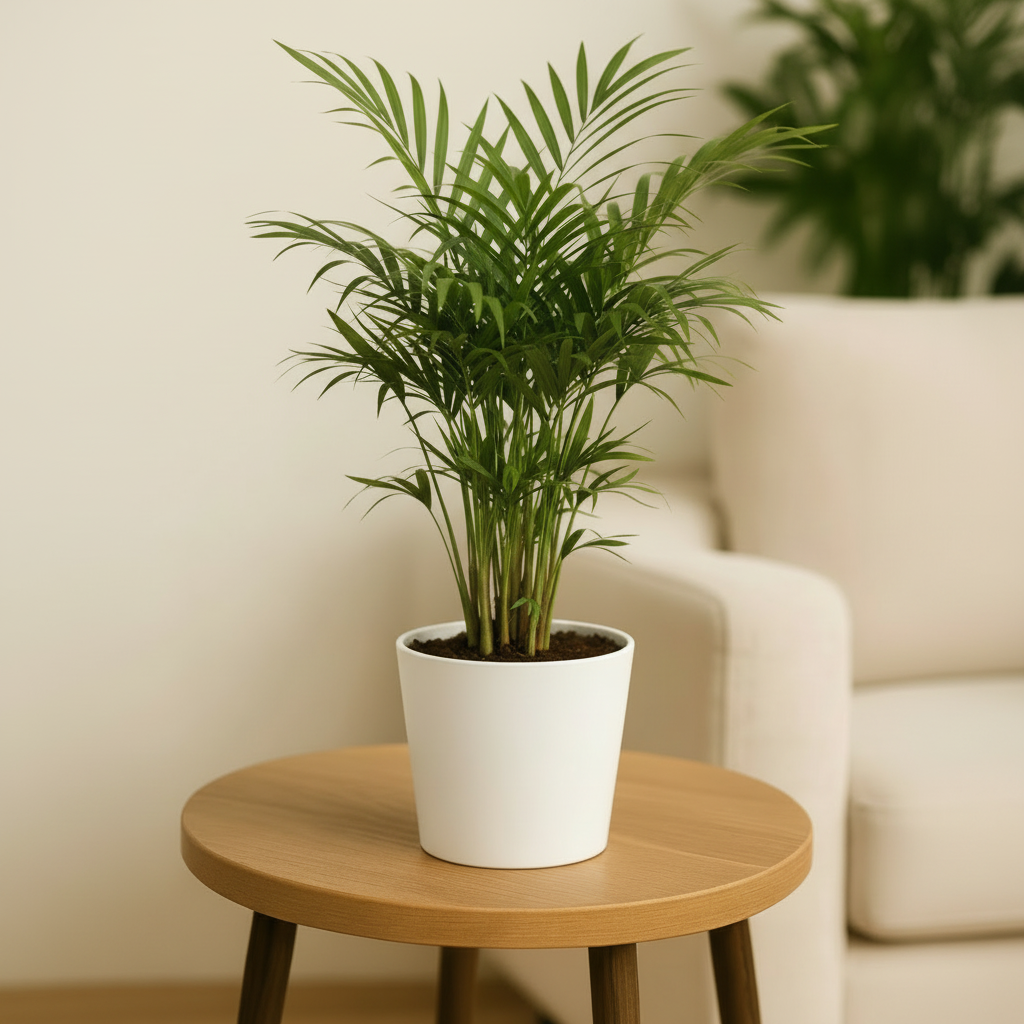
For guidance on specific plants, check our care guides like Pothos Care 101 and Parlor Palm Care Guide.
Continue Regular Fertilizing
Maintain your fertilizing schedule from spring—every 2-3 weeks for most plants. Fast-growing plants may benefit from weekly feeding at half strength. The Oregon State University Extension recommends consistent feeding during active growth.
Monitor for Pests
Warm weather brings increased pest activity. Check regularly for spider mites, aphids, and mealybugs. Catch infestations early for easier treatment. Inspect new growth and leaf undersides weekly.
Protect from Intense Sun
Summer sun is much stronger than spring light. Watch for signs of sunburn: bleached spots, brown patches, or faded leaves. Move sensitive plants back from windows or add sheer curtains during peak afternoon sun.
Even sun-loving plants like succulents can burn through glass during intense summer heat.
Increase Air Circulation
Good airflow prevents fungal issues and helps plants manage heat stress. Use fans to keep air moving, especially in humid conditions. Avoid placing plants directly in air conditioning vents, which can cause temperature shock.
Consider Outdoor Vacation
Many houseplants benefit from spending summer outdoors in a shaded, protected location. Acclimate them gradually over 1-2 weeks. Bring them back inside before nighttime temperatures drop below 50°F (10°C).
Summer Plant Recommendations
Summer's abundant light is perfect for adding light-loving plants like flowering varieties or statement tropicals to your collection.
Fall (September - November): Transition Time
What's Happening with Your Plants
As daylight decreases and temperatures cool, plants begin slowing their growth. This transition period requires adjusting your care routine to match their changing needs. According to Purdue University Extension, fall preparation is crucial for healthy winter dormancy.
Fall Care Checklist
Gradually Reduce Watering
As growth slows, plants need less water. Extend time between waterings and always check soil moisture before watering. What needed water twice weekly in summer might now need it only once.
Reduce Fertilizer
Begin tapering fertilizer applications. By late fall, most plants should receive fertilizer only once monthly or not at all. Over-fertilizing dormant plants causes salt buildup and root damage.
Inspect for Pests Before Bringing Plants Indoors
If you moved plants outside for summer, thoroughly inspect them before bringing them back in. Quarantine new arrivals for 2 weeks to prevent introducing pests to your indoor collection.
Adjust Light Placement
As the sun's angle changes and daylight decreases, you may need to move plants closer to windows. What was bright indirect light in summer might be too dim in fall.
Increase Indoor Humidity
When heating systems turn on, indoor humidity plummets. This is especially hard on tropical plants. Group plants together, use pebble trays, or run a humidifier. Our humidity guide offers detailed solutions.
Clean Leaves
Dust accumulates on leaves and blocks light absorption. Wipe leaves with a damp cloth or give plants a gentle shower. Clean leaves photosynthesize more efficiently during the lower-light months ahead.
Prune Strategically
Remove any dead or yellowing leaves, but avoid heavy pruning. Plants entering dormancy won't recover as quickly from major cuts. Save significant pruning for spring.
Fall Plant Recommendations
Fall is a great time to add low-light tolerant plants that will thrive through winter, like our Easy Care Plant Bundle or hardy Snake Plants.
Winter (December - February): Dormancy Period
What's Happening with Your Plants
Most houseplants enter a period of dormancy or very slow growth during winter. Shorter days and lower light levels signal plants to rest. This is natural and healthy—don't try to force growth during this period.
Winter Care Checklist
Reduce Watering Significantly
This is the most common winter mistake—overwatering dormant plants. Soil stays wet much longer in winter. Many plants need watering only every 2-3 weeks. Always check soil moisture several inches down before watering.
Even water-loving plants like Parlor Palms need less frequent watering in winter.
Stop or Minimize Fertilizing
Most plants don't need fertilizer during dormancy. At most, fertilize once monthly at quarter strength.
Maintain Humidity
Heating systems create desert-like conditions indoors. Keep humidity levels between 40-60% for most tropical plants. This is especially important for ferns, Philodendrons, and other humidity-loving species.
Maximize Available Light
Move plants as close to windows as possible without touching cold glass. Clean windows to maximize light transmission. Consider supplemental grow lights for light-hungry plants.
Protect from Temperature Extremes
Keep plants away from cold drafts, heating vents, and radiators. Most houseplants prefer temperatures between 65-75°F (18-24°C). Avoid placing plants near exterior doors or single-pane windows where temperature fluctuations are extreme.
Resist the Urge to Repot
Unless absolutely necessary (like root rot), avoid repotting in winter. Dormant plants struggle to recover from transplant stress. Wait until spring when active growth resumes.
Monitor for Pests
Dry indoor air and stressed plants attract pests like spider mites and scale. Check plants weekly and treat problems immediately. Isolate affected plants to prevent spread.
Accept Slower Growth
Don't worry if your plants aren't producing new leaves. Dormancy is normal and healthy. Trying to force growth with extra water or fertilizer usually causes more harm than good.
Winter Plant Recommendations
Winter is perfect for adding hardy, low-maintenance plants that tolerate lower light and drier air, like Snake Plants, ZZ Plants, or our Easy Care Variety Bundle.

Special Considerations by Plant Type
Tropical Plants
Plants like Philodendron Jose Buono, Syngonium, and ferns need consistent warmth and humidity year-round. They show the most dramatic seasonal changes in growth rate.
Key seasonal adjustments: Maintain humidity above 50% in winter, reduce watering but never let soil completely dry, protect from temperatures below 60°F (15°C).
Succulents and Cacti
Desert plants like cacti and succulents have different seasonal needs. Many actually prefer cooler, drier winters and may bloom in response to this rest period.
Key seasonal adjustments: Water very sparingly in winter (monthly or less), provide maximum light year-round, tolerate cooler temperatures (50-60°F/10-15°C) in winter.
Flowering Plants
Plants grown for flowers often need specific seasonal conditions to bloom. Many require a cool, dry rest period to set buds for the next flowering cycle.
Key seasonal adjustments: Research your specific plant's blooming requirements, adjust fertilizer to bloom-boosting formulas during bud formation, provide adequate light for flower production.
Low-Light Tolerant Plants
Plants like Snake Plants, ZZ Plants, and Pothos are more forgiving of seasonal changes but still benefit from adjusted care.
Key seasonal adjustments: Minimal watering in winter, can skip fertilizer entirely during dormancy, tolerate lower humidity better than tropicals.

Month-by-Month Quick Reference Guide
January - February
- Water sparingly, only when soil is dry several inches down
- No fertilizer for most plants
- Maximize light exposure
- Maintain humidity with humidifiers or grouping
- Monitor for pests (spider mites love dry conditions)
March - April
- Begin increasing watering as growth resumes
- Start fertilizing at half strength
- Repot root-bound plants
- Prune dead or damaged growth
- Propagate plants from cuttings
May - June
- Increase watering frequency
- Fertilize every 2-3 weeks at full strength
- Move plants to brighter locations
- Consider moving plants outdoors to shaded areas
- Monitor for pests as activity increases
July - August
- Water frequently, possibly 2-3 times weekly
- Continue regular fertilizing
- Protect from intense afternoon sun
- Ensure good air circulation
- Check soil moisture daily during heat waves
September - October
- Gradually reduce watering frequency
- Taper fertilizer to monthly applications
- Bring outdoor plants inside before frost
- Inspect for pests thoroughly
- Adjust plant placement for changing light angles
November - December
- Reduce watering significantly
- Stop fertilizing most plants
- Increase humidity as heating begins
- Move plants closer to windows for maximum light
- Avoid repotting unless emergency

Common Seasonal Care Mistakes to Avoid
Overwatering in Winter
The number one killer of houseplants in winter is overwatering. Dormant plants in low light use very little water. What feels like neglect is actually proper winter care.
Fertilizing Dormant Plants
Feeding plants that aren't actively growing causes fertilizer salt buildup, which damages roots. Save your fertilizer for spring and summer when plants can actually use the nutrients.
Repotting at the Wrong Time
Repotting in fall or winter stresses plants when they're least able to recover. Always repot in spring when active growth helps plants establish in new soil quickly.
Ignoring Humidity Changes
Indoor humidity can drop to 10-20% in winter—desert-like conditions that stress tropical plants. Don't ignore brown leaf tips and crispy edges. Address humidity issues promptly.
Expecting Constant Growth
Plants aren't meant to grow at the same rate year-round. Accepting natural dormancy cycles leads to healthier, longer-lived plants. Remember, working with natural cycles rather than against them is key to plant success.
Tools for Tracking Seasonal Care
Keep a Plant Journal
Track watering dates, fertilizer applications, and observations about growth. Over time, you'll learn your plants' specific seasonal patterns and needs.
Use Moisture Meters
Especially helpful in winter when it's hard to judge soil moisture. Insert the probe several inches deep to check moisture at root level, not just the surface.
Monitor Humidity
Inexpensive hygrometers help you track indoor humidity levels. Aim for 40-60% for most houseplants, higher for tropical species.
Set Seasonal Reminders
Use your phone or calendar to remind you of seasonal transitions: "Start fertilizing" in March, "Reduce watering" in October, "Check for pests" monthly.

Regional Considerations
Understanding Your USDA Zone
While houseplants live indoors, your geographic location affects indoor conditions. Northern regions have longer, darker winters requiring more light supplementation. Southern regions may have milder winters with less dramatic seasonal changes.
Learn more about how climate zones affect plant care in our USDA Plant Hardiness Zones guide.
Adjusting for Your Home's Microclimate
Every home is different. South-facing windows provide more light than north-facing. Older homes may be draftier. Newer homes may be drier. Observe your specific conditions and adjust accordingly.
Building Your Seasonal Plant Collection
Understanding seasonal care helps you choose plants that fit your lifestyle and home conditions. If you travel in winter, choose drought-tolerant plants that handle neglect. If you're home and attentive, you can manage more demanding tropicals.
Start with our New Plant Parent Bundle for a mix of easy-care plants, or explore our Indoor Houseplant Subscription Box to receive seasonally appropriate plants throughout the year.
For pet owners, our Pet Friendly Variety Bundle includes safe plants that tolerate seasonal care variations well.

Your Year-Round Plant Care Journey
Seasonal plant care isn't about following rigid rules—it's about observing your plants and responding to their changing needs throughout the year. Pay attention to growth patterns, adjust your routine accordingly, and don't be afraid to experiment.
The most successful plant parents are those who work with nature's rhythms rather than against them. By following this seasonal calendar and staying attuned to your plants' signals, you'll enjoy a thriving indoor garden year-round.
Ready to put your seasonal knowledge into practice? Browse our complete plant collection or start with our curated plant bundles designed for success in every season.
Happy growing! 🌱