
Indoor plants do more than beautify our living spaces; they significantly improve the air quality in our homes. This is especially beneficial in the bedroom, where clean air can enhance sleep quality. In this blog post, we will explore the best indoor plants for bedroom oxygen, focusing on their benefits and care tips.
🌿 Quick Answer
The best indoor plants for bedroom oxygen include the Snake Plant, Aloe Vera, Peace Lily, Golden Pothos, and Spider Plant. These plants release oxygen at night, filter indoor toxins, and thrive in low-light bedroom conditions — making them ideal for better sleep and cleaner air.
Why Choose Indoor Plants for Your Bedroom?
Improving Air Quality
Indoor plants can filter out toxins and release oxygen, making the air cleaner and healthier to breathe. This is particularly important in the bedroom, where we spend a significant amount of time resting and recharging. Many of these same plants also thrive with a little extra nutrition — learn which indoor plants love coffee grounds to boost their growth naturally.
Enhancing Mood
Studies have shown that being around plants can reduce stress and promote a sense of well-being. This calming effect can contribute to a more restful sleep environment.

Boosting Humidity
Plants release moisture into the air through a process called transpiration. This can help prevent dry skin and respiratory issues, especially in dry climates or during winter months. For optimal soil drainage and moisture retention, consider using lava rocks for your houseplants.
Best Air-Purifying Indoor Plants for Bedroom Oxygen
1. Snake Plant (Sansevieria trifasciata)
The Snake Plant, also known as Mother-in-Law's Tongue, is one of the best indoor oxygen plants. It releases oxygen at night, making it an excellent choice for improving sleep quality. This is a popular easy-care plant great for beginners plant parents.
- Care Tips: Place in indirect sunlight and water sparingly.
- Benefits: Filters out toxins like formaldehyde and benzene.

2. Aloe Vera
Aloe Vera is renowned for its healing properties and oxygen-producing abilities. It's a great addition to any bedroom for its air-purifying benefits.
- Care Tips: Needs bright, indirect light and should be watered every three weeks.
- Benefits: Releases oxygen at night and purifies the air from chemicals found in cleaning products.

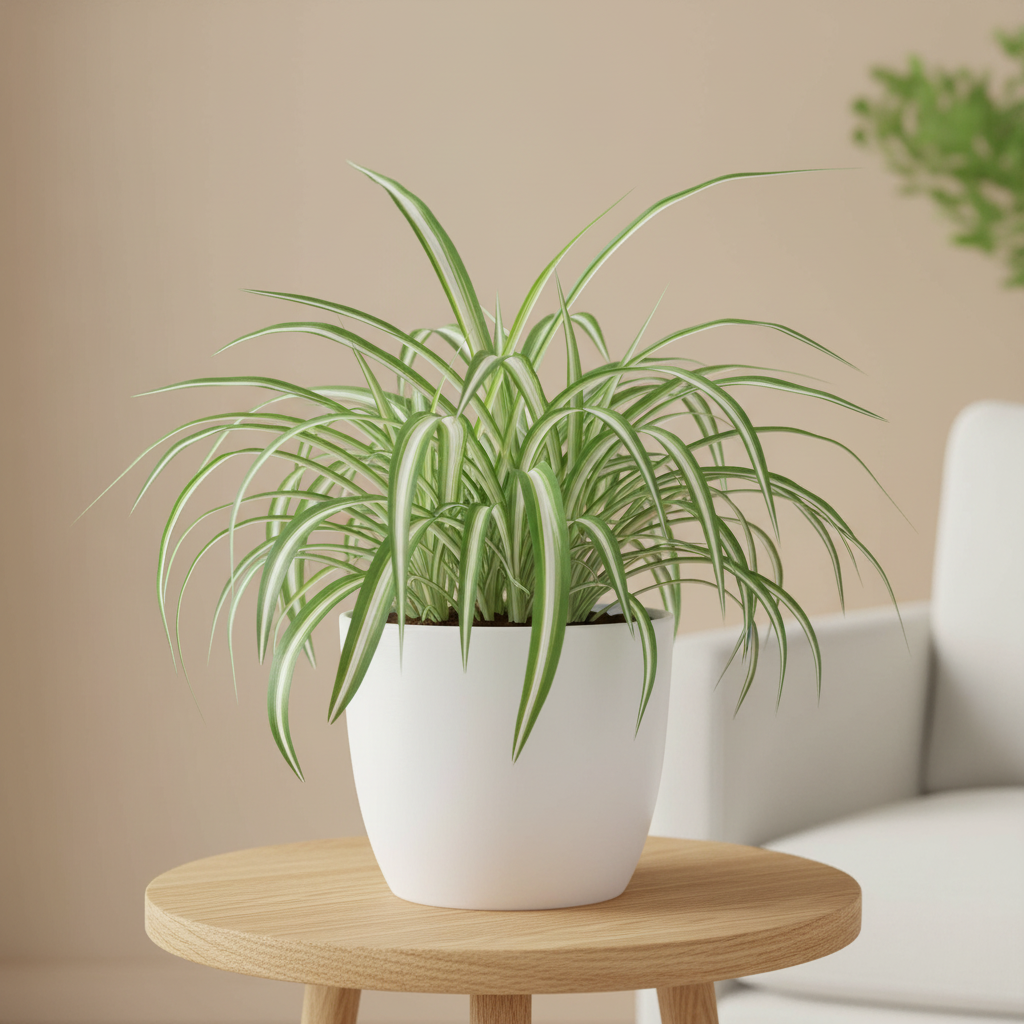
3. Spider Plant (Chlorophytum comosum)
Spider Plants are easy to care for and efficient at increasing oxygen levels while filtering out harmful toxins. Read our full guide on the Spider Plant: elegance and resilience to learn everything about this versatile plant.
- Care Tips: Thrives in bright, indirect light and requires moderate watering.
- Benefits: Removes pollutants such as carbon monoxide and xylene.

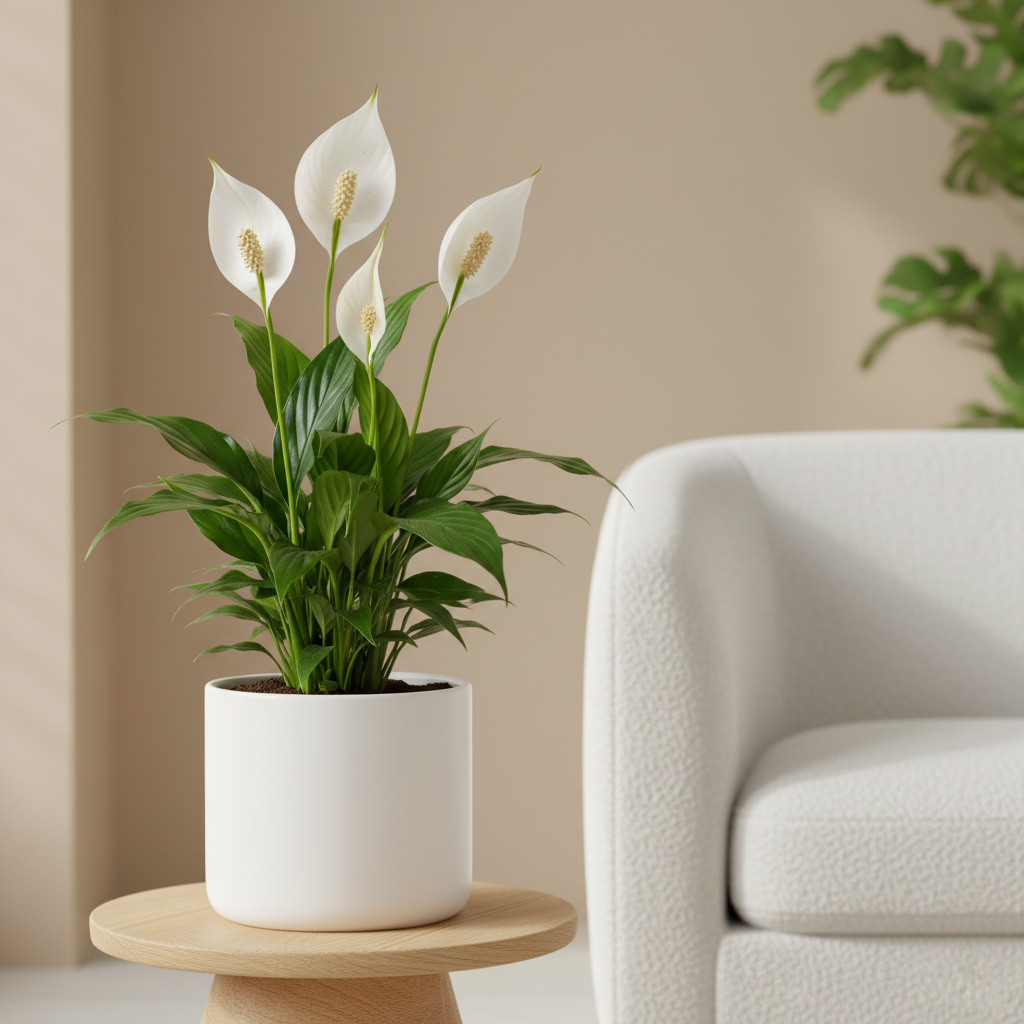
4. Peace Lily (Spathiphyllum)
Peace Lilies are not only beautiful but also effective at purifying air. They are one of the best plants for bedroom oxygen, contributing to a healthier sleep environment. Discover everything about this elegant plant in our complete Peace Lily care guide.
- Care Tips: Prefers low light and should be kept moist.
- Benefits: Absorbs mold spores and breaks them down, making the air cleaner.

5. Pothos Golden (Epipremnum aureum)
The Golden Pothos is one of the most effective air-purifying plants you can keep in your bedroom. Its fast-growing trailing vines absorb indoor pollutants effortlessly, making it a top choice for cleaner, oxygen-rich air while you sleep.
- Care Tips: Thrives in low to bright indirect light and should be watered when the top inch of soil feels dry. Avoid overwatering — it's more drought-tolerant than most.
- Benefits: Removes toxins like formaldehyde, benzene, and carbon monoxide from the air, boosting oxygen levels and improving your sleep environment.

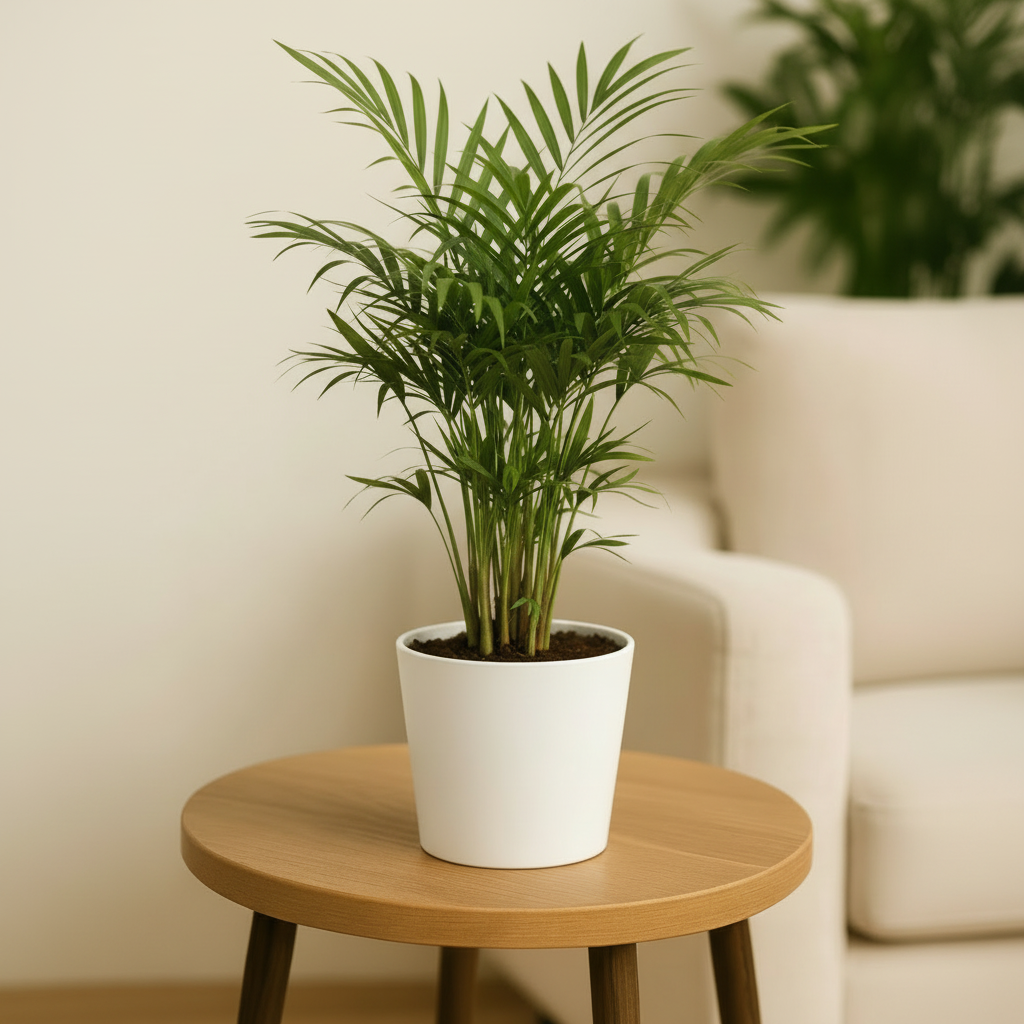
6. Areca Palm (Dypsis lutescens)
The Areca Palm is a natural humidifier and a great plant for increasing oxygen levels indoors.
- Care Tips: Needs bright, indirect light and consistent moisture.
- Benefits: Removes formaldehyde, xylene, and toluene from the air.

7. Boston Fern (Nephrolepis exaltata)
The Boston Fern filters airborne toxins and acts as a natural humidifier, releasing moisture into the air.
- Care Tips: Thrives in indirect light and prefers consistently moist soil — water regularly and mist the leaves to maintain humidity.
- Benefits: Removes pollutants like formaldehyde and xylene, and adds moisture to dry indoor air, making it ideal for living rooms and bedrooms.

8. English Ivy (Hedera helix)
English Ivy is versatile and can grow in various light conditions. It is particularly good at absorbing formaldehyde and providing fresh oxygen.
- Care Tips: Thrives in low to bright indirect light and should be watered when the top inch of soil is dry.
- Benefits: Reduces airborne mold and purifies the air.

9. Dracaena 'Janet Craig' (Dracaena trifasciata)
The Dracaena Janet Craig is one of the most effective plants at removing indoor air pollutants, thriving even in low-light conditions.
- Care Tips: Tolerates low to bright indirect light and should be watered only when the top inch of soil is dry — overwatering is its main enemy.
- Benefits: Removes toxins like benzene, trichloroethylene, and formaldehyde, making it an excellent low-maintenance air purifier for offices and bedrooms.

10. Rubber Plant (Ficus Elastica)
The Rubber Plant is robust and effective at improving indoor air quality by increasing oxygen levels.
- Care Tips: Prefers bright, indirect light and should be watered when the topsoil dries out.
- Benefits: Removes formaldehyde and purifies the air.

At a Glance: Best Bedroom Plants for Oxygen Comparison
Not sure which plant is right for your bedroom? Use this quick comparison to find your best match based on light, watering, and key air-purifying benefit.
| Plant | Light Needs | Watering | Key Benefit | Best For |
|---|---|---|---|---|
| Snake Plant | Low – Bright indirect | Every 2–6 weeks | Releases O₂ at night | Beginners, any bedroom |
| Aloe Vera | Bright indirect | Every 3 weeks | Purifies cleaning chemicals | Sunny rooms |
| Spider Plant | Bright indirect | Moderate | Removes CO & xylene | Pet-friendly homes |
| Peace Lily | Low light | Keep moist | Absorbs mold spores | Dark bedrooms |
| Golden Pothos | Low – Bright indirect | When top inch is dry | Removes formaldehyde & benzene | Any room, trailing decor |
| Areca Palm | Bright indirect | Consistent moisture | Natural humidifier | Dry climates |
| Boston Fern | Indirect light | Keep moist + mist | Adds moisture, removes toxins | Dry or heated rooms |
| English Ivy | Low – Bright indirect | When top inch is dry | Reduces airborne mold | Allergy-prone sleepers |
| Dracaena 'Janet Craig' | Low – Bright indirect | When top inch is dry | Removes benzene & trichloroethylene | Low-maintenance bedrooms |
| Rubber Plant | Bright indirect | When topsoil is dry | Removes formaldehyde | Statement piece rooms |
How to Care for Your Air-Purifying Bedroom Plants
Light
Most of these plants prefer bright, indirect light. Avoid placing them in direct sunlight as it can scorch their leaves.
Water
Overwatering is a common mistake. Allow the soil to dry out between waterings for most plants. Always check the specific needs of each plant.
Humidity
Some plants, like the Peace Lily and Areca Palm, benefit from higher humidity levels. Consider using a humidifier if the air in your home is particularly dry.
Cleaning
Dust can block the pores of the leaves, hindering their ability to purify the air. Wipe the leaves with a damp cloth regularly to keep them clean and healthy.

Additional Tips for a Greener Bedroom
Incorporating more plants into your bedroom can create a lush, calming environment. Here are some additional tips:
- Group Plants Together: Placing plants in clusters can create a mini jungle, enhancing humidity and making care easier.
- Use Different Sizes and Shapes: Mix tall plants with trailing vines to add visual interest. The Pothos is a perfect trailing plant for any bedroom space.
- Choose Decorative Pots: Beautiful pots can complement your bedroom decor and make your plants stand out.
Frequently Asked Questions About Bedroom Plants and Oxygen
Which indoor plant produces the most oxygen at night?
The Snake Plant (Sansevieria) is widely considered the best plant for nighttime oxygen production. Unlike most plants, it uses CAM photosynthesis to release oxygen after dark — making it uniquely suited for bedrooms.
Is it safe to sleep with plants in your bedroom?
Yes, it is safe for most people. The amount of CO₂ plants release at night is minimal and not harmful. In fact, plants like the Snake Plant and Aloe Vera improve overnight air quality by continuing to release oxygen while you sleep.
How many plants do you need in a bedroom to improve air quality?
Studies suggest that 2–3 medium-sized plants per 100 square feet can meaningfully improve air quality. For a standard bedroom, starting with 2 to 4 plants placed near your sleeping area is a good baseline.
What is the best low-light plant for bedroom oxygen?
The Peace Lily and Snake Plant are the top choices for low-light bedrooms. Both thrive without direct sunlight and actively filter common indoor air pollutants like formaldehyde and benzene.
Are bedroom plants good for people with allergies?
Some plants, like English Ivy and Peace Lily, are especially effective at reducing airborne mold and allergens. However, people with pollen sensitivities should avoid flowering plants and stick to foliage-only varieties.
Do plants actually clean the air indoors?
Yes — though the effect is modest in a typical home setting. The air-purifying plants on this list have been shown in studies (including NASA's Clean Air Study) to absorb volatile organic compounds (VOCs) like formaldehyde, benzene, and xylene from indoor air.